The Seasonal Table

Timeline: 1 week

Role: Graphic Designer, Environmental Designer, Illustrator

Branding

Environmental Design

Seasonal Table is a children’s restaurant concept designed as an immersive seasonal experience rather than just a place to eat. The project explores how environmental graphics, menus, and spatial elements can work together to teach children about seasons and food through design.

Goal

The goal was to explore how a restaurant experience for children could change visually with the seasons while keeping a clear and consistent structure for families. The focus was on designing two seasonal variations that demonstrate how menus and environmental graphics can adapt to different moods and ingredients.

Concept

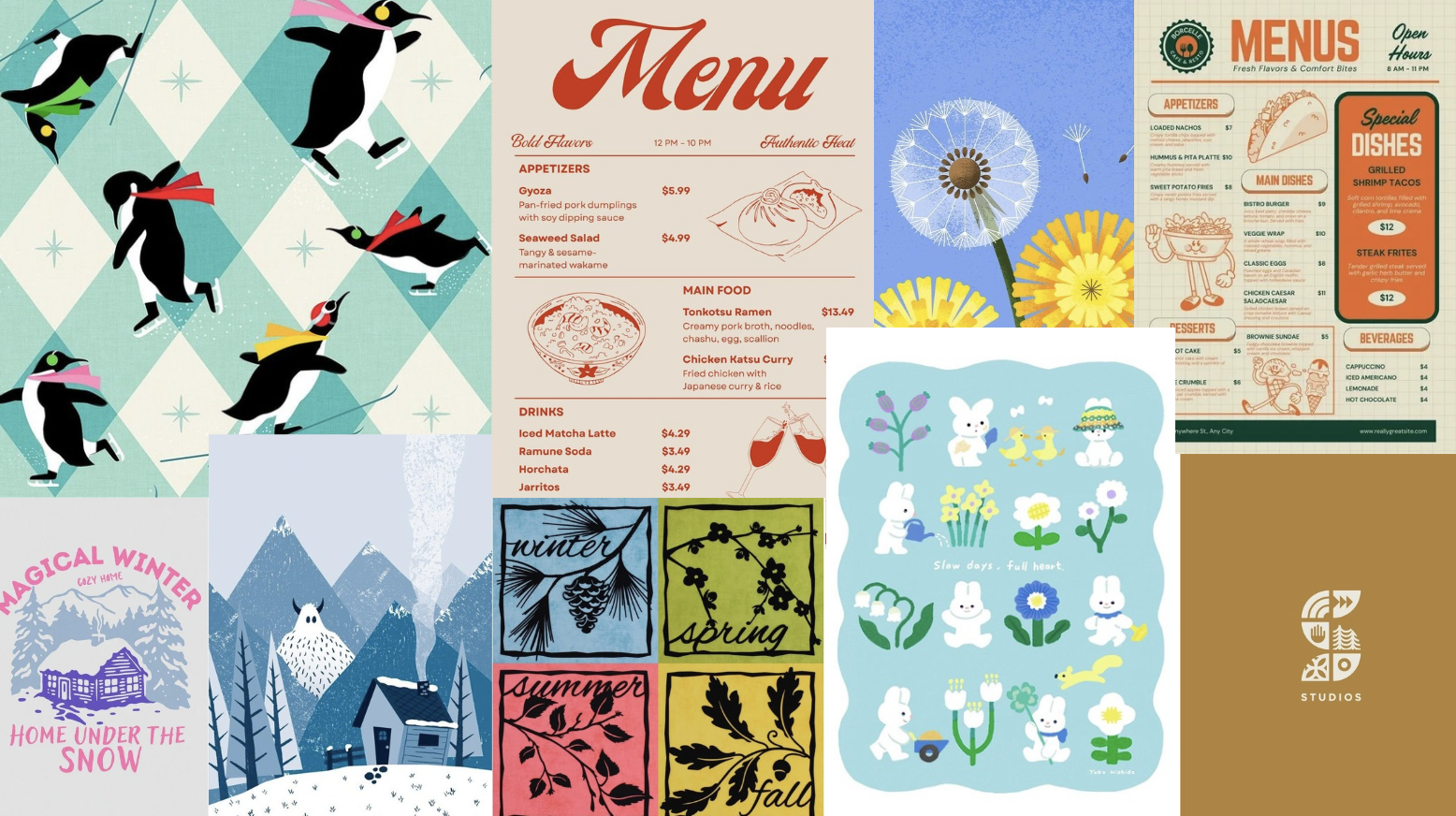
Winter and Spring were selected as contrasting seasons to test the system. Winter focuses on warmth and comfort, while Spring emphasizes freshness and growth. Each season has its own logo, color palette, and menu personality, while still belonging to one restaurant brand.
Design Approach

A shared layout system was created for both menus to maintain consistency in category structure, pricing, and readability. Seasonal identity was expressed through color, typography, and illustration style. The elevator graphic was designed as a transitional environmental element that visually introduces guests to the seasonal theme, extending the brand system into physical space.

Moodboard

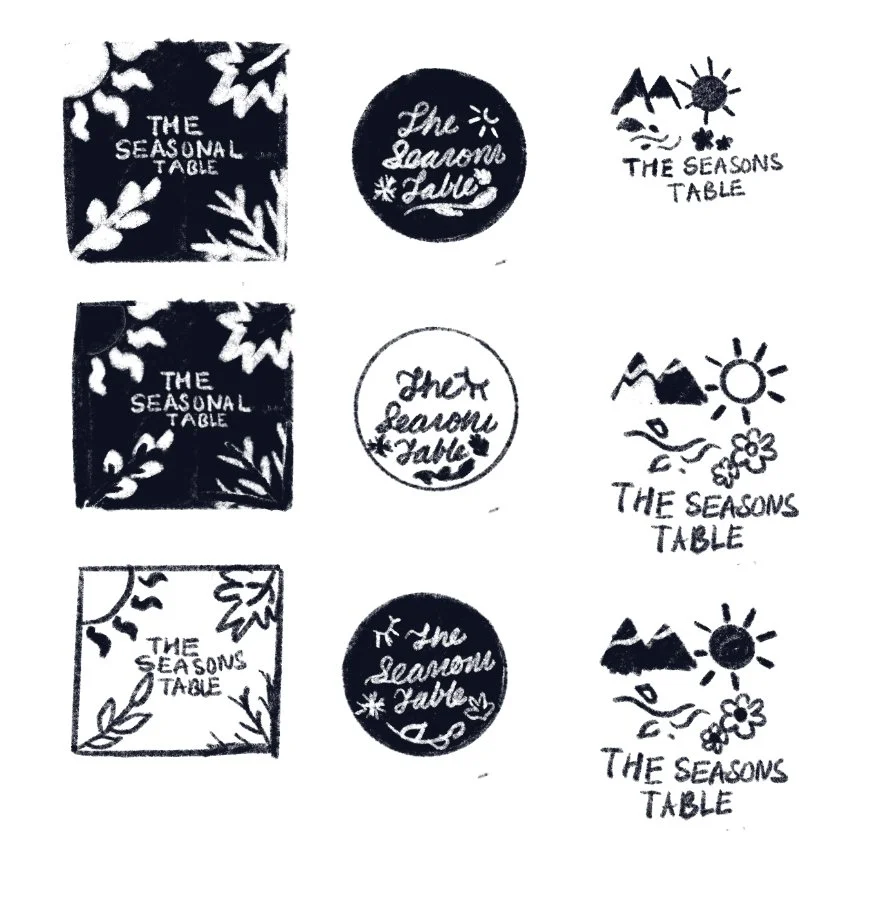
Logo Sketches

Final Logo

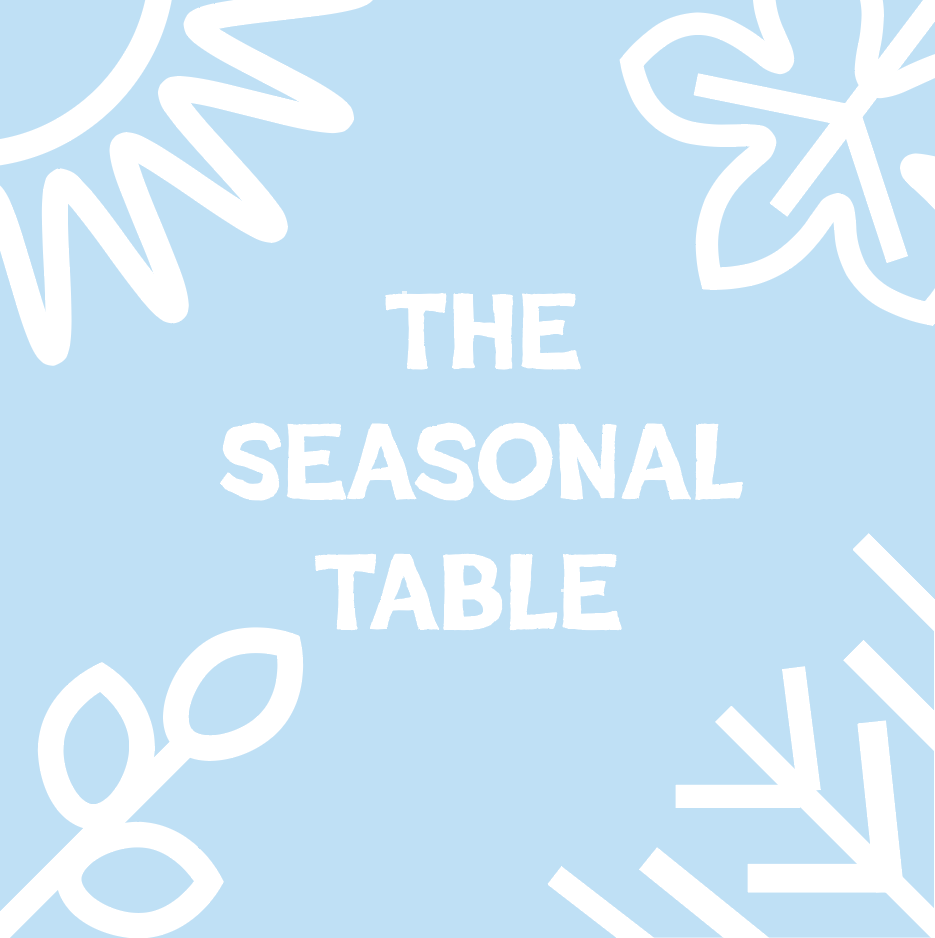
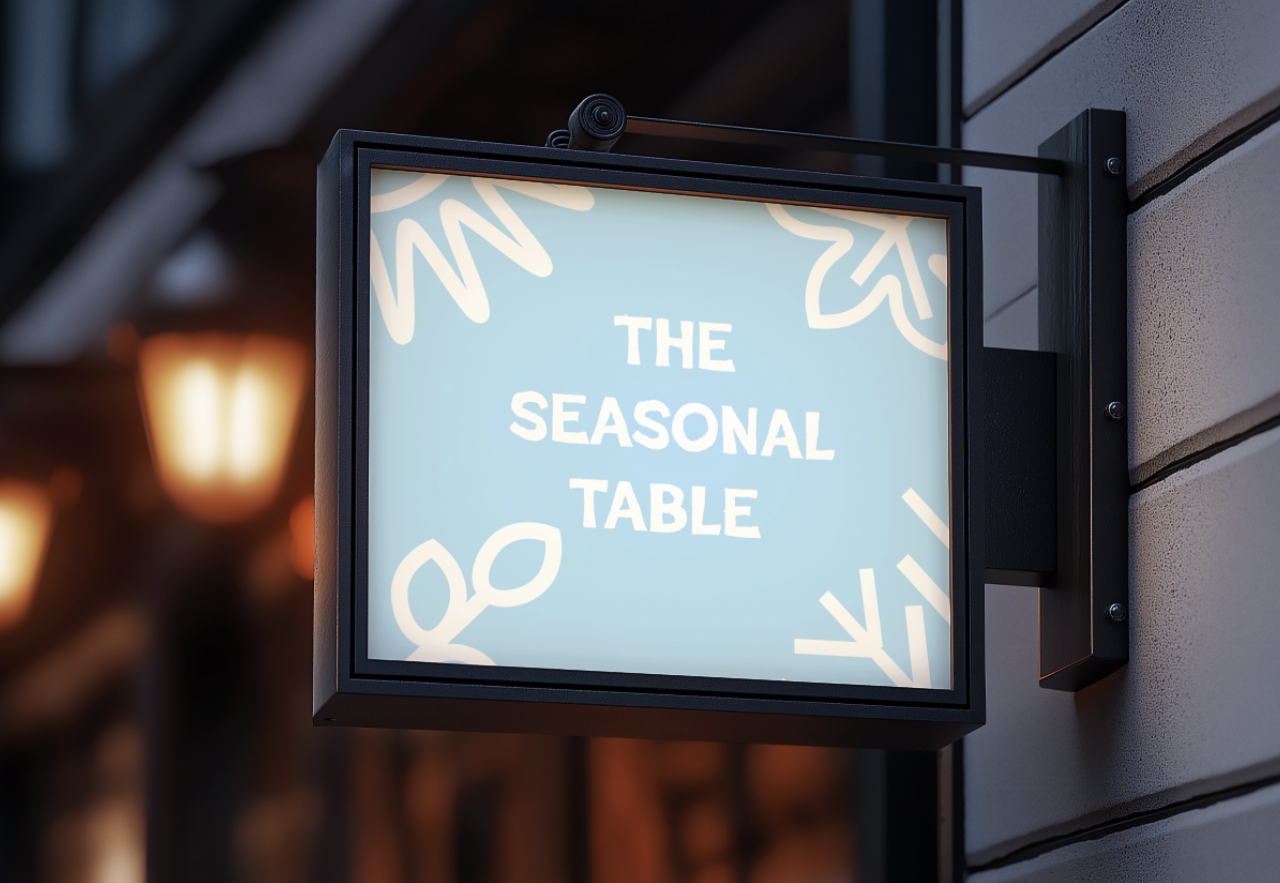
The Winter logo uses soft blue tones to create a calm and cozy feeling. The hand-drawn shapes are inspired by leaves and natural forms, connecting the brand to food and the changing seasons. The playful typography keeps the identity friendly and accessible for children. While the color shifts for the season, the structure of the logo remains consistent. This allows the brand to stay recognizable while visually adapting to winter.
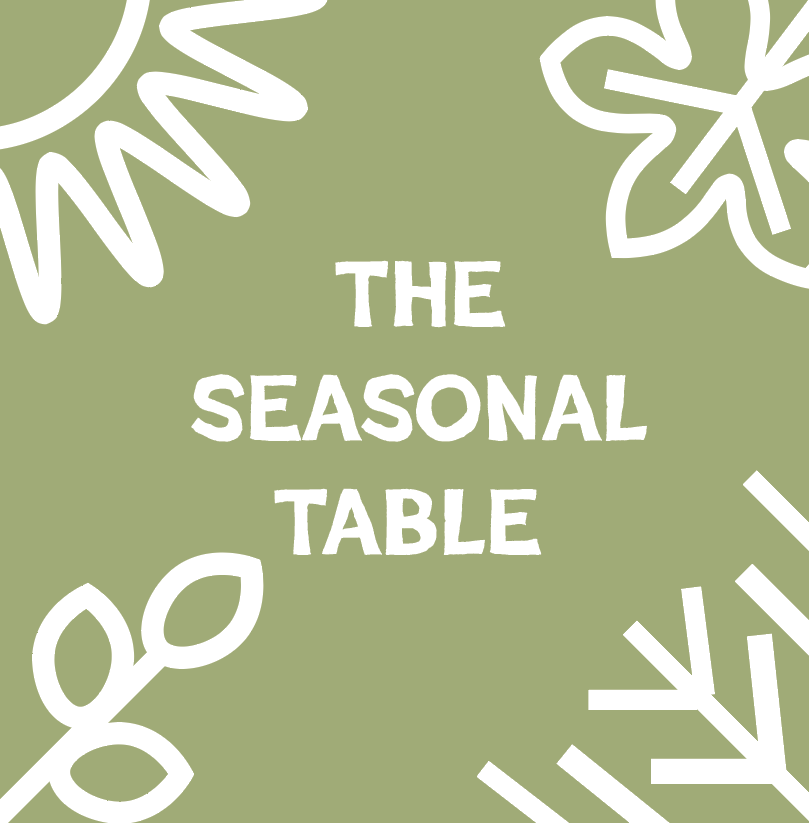
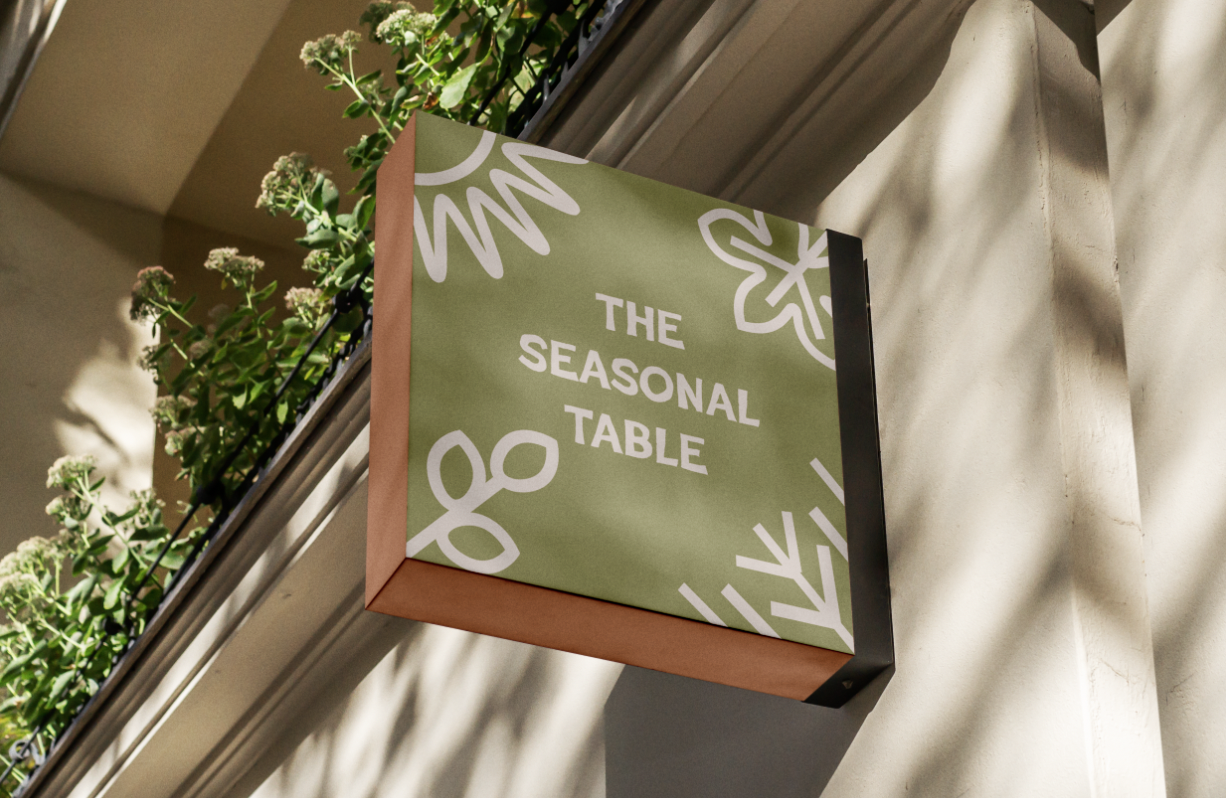
The Spring logo uses fresh green tones to represent growth and renewal. The organic shapes are inspired by plants and ingredients, connecting the brand to nature and seasonal food. The overall layout mirrors the Winter logo to maintain consistency across seasons. This reinforces the concept of a restaurant that changes with the seasons.

Menu Designs

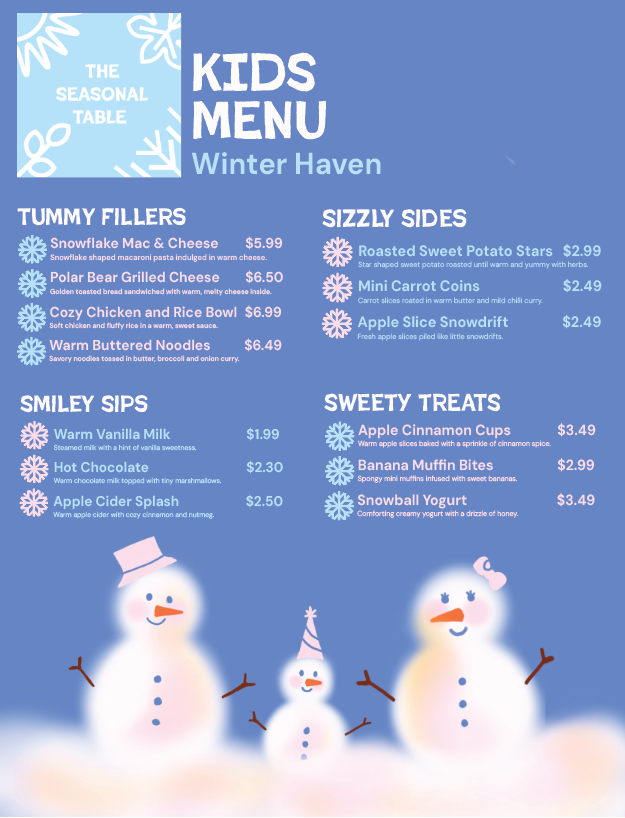
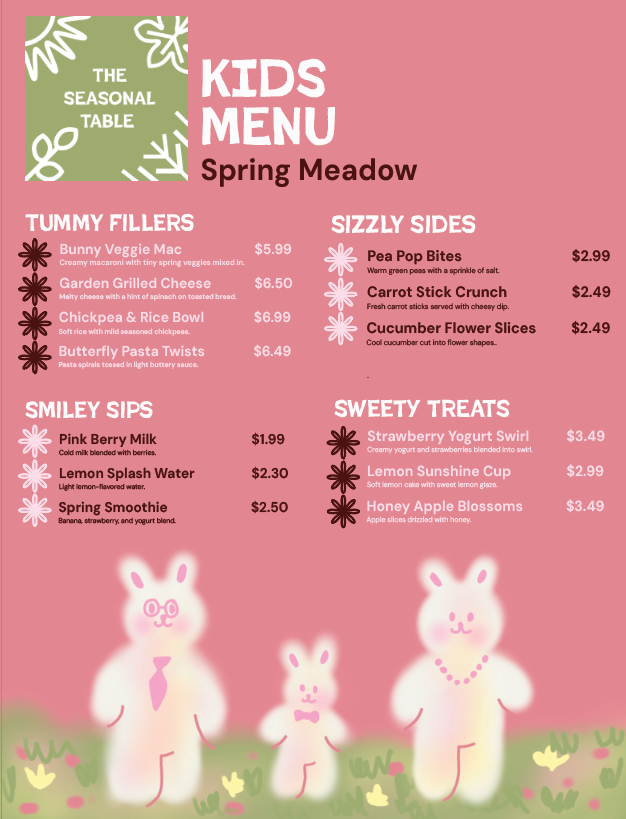
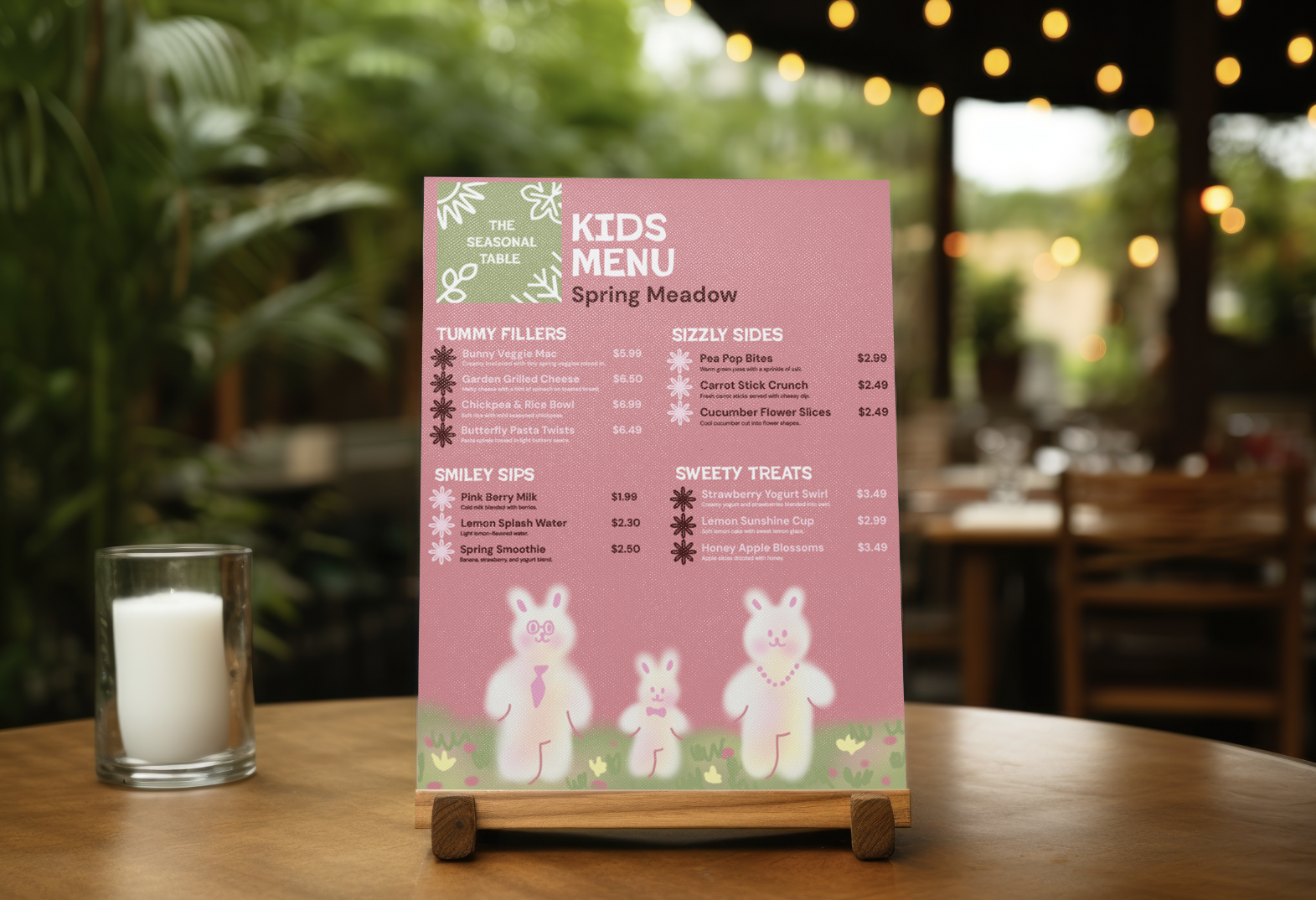
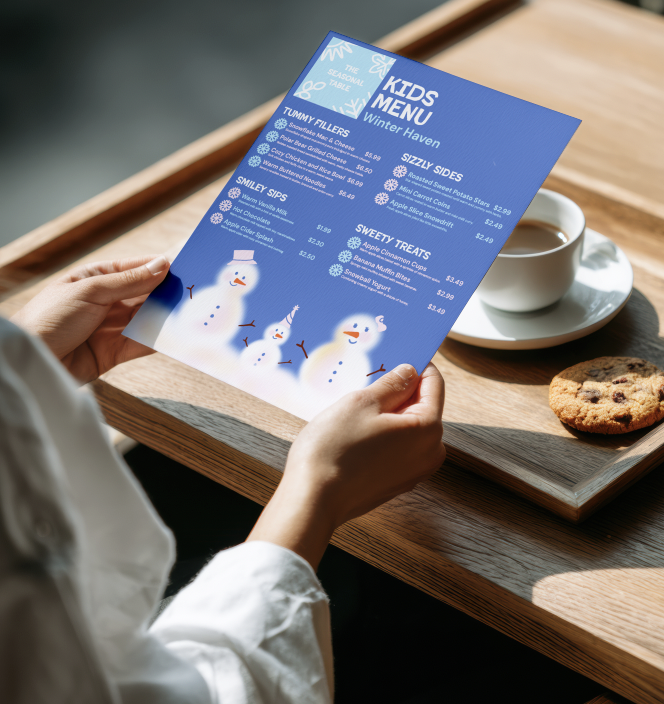
Each menu is visually reflecting its season through color, illustration, and playful naming. The Winter Haven menu uses cool blues, snow characters, and cozy food names to feel warm and comforting, while the Spring Meadow menu uses soft pinks, greens, and animal illustrations to feel fresh and cheerful. Large category titles, simple layouts, and clear pricing make the menus easy for children to read and navigate. Friendly icons and whimsical food names turn ordering into a fun, story-like experience.
Elevator Design

Design Objective

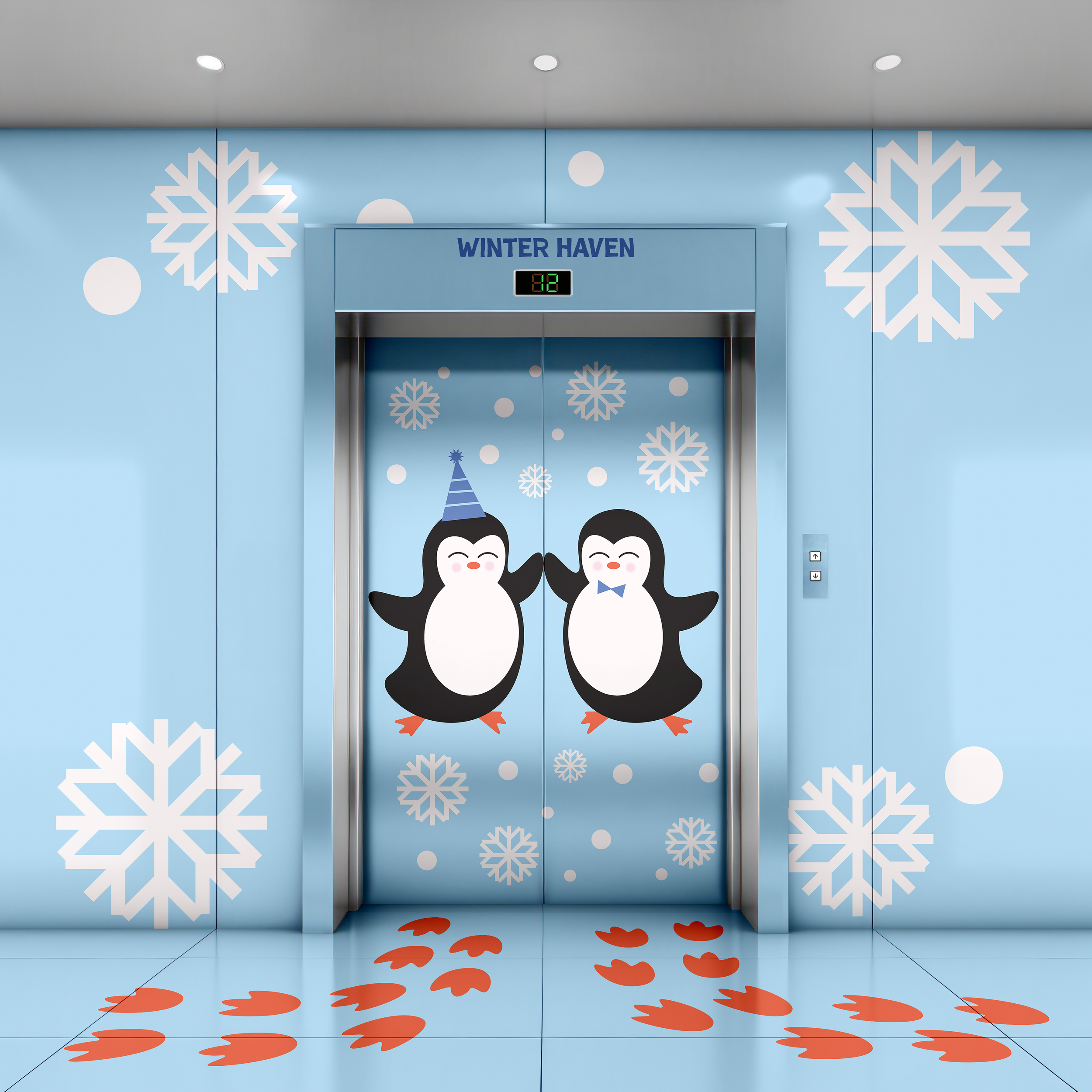
The goal was to transform a standard functional element, an elevator, into an immersive, narrative-driven portal. By utilizing the Winter Haven theme, the design masks the wait time with engaging visuals, encouraging children to follow the waddle tracks into a seasonal wonderland.

  • Character Storytelling: Features two hero characters (the penguins) positioned at eye level for children, creating an immediate focal point and photo-op moment.

  • Environmental Extension: The design breaks the fourth wall by extending the penguin tracks onto the floor graphics, creating a 3D immersive effect that guides foot traffic.

  • Brand Synergy: The soft blue palette and flat-illustration style align with modern aesthetics, ensuring the environment feels premium yet approachable.

  • Integrated Signage: Custom Winter Haven typeface integrated into the elevator header for seamless wayfinding.

Key Elements

Previous
Previous

SWEEDULE Cookies Branding and Packaging

Next
Next

New Hope for Kids Annual Report